Optimal Timing for Apron Construction
Apron constructions are critical for enhancing safety, protecting structures, and improving operational efficiency in various industrial and commercial settings. Timing these projects appropriately can influence cost, quality, and durability.
Spring and early summer often provide favorable weather for apron construction, minimizing delays caused by rain or extreme temperatures.
Scheduling during periods of low operational activity reduces disruption and allows for more flexible project timelines.
Avoiding winter months helps prevent delays due to snow, ice, and cold temperatures that can compromise material integrity and worker safety.
Certain materials are more readily available and easier to work with during specific seasons, impacting project costs and timelines.

Ways to make Apron Constructions work in tight or awkward layouts.
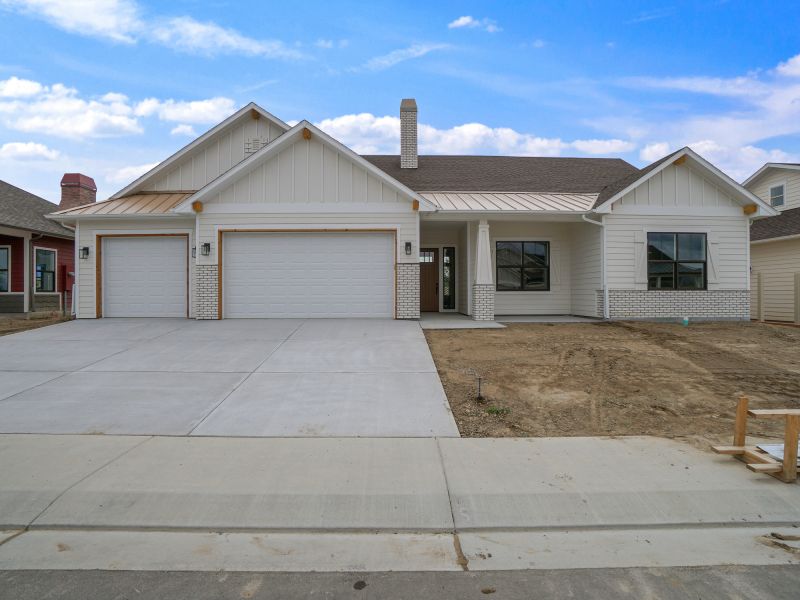
Popular materials for Apron Constructions and why they hold up over time.

Simple add-ons that improve Apron Constructions without blowing the budget.

High-end options that actually feel worth it for Apron Constructions.

Finishes and colors that play nicely with Apron Constructions.

Little measurements that prevent headaches on Apron Constructions day.
Apron constructions involve the installation and reinforcement of surfaces used for loading, unloading, and operational activities in industrial zones. These structures are designed to withstand heavy loads, resist weathering, and ensure safety for personnel and equipment. Proper timing of construction projects contributes to cost efficiency, structural integrity, and operational continuity.
Statistics indicate that projects scheduled in favorable weather conditions tend to experience fewer delays and lower rework costs. For example, concrete curing times are optimal during warm, dry periods, which can significantly enhance durability. Additionally, planning during off-peak seasons minimizes operational disruptions, leading to smoother project execution.

A 60-second routine that keeps Apron Constructions looking new.
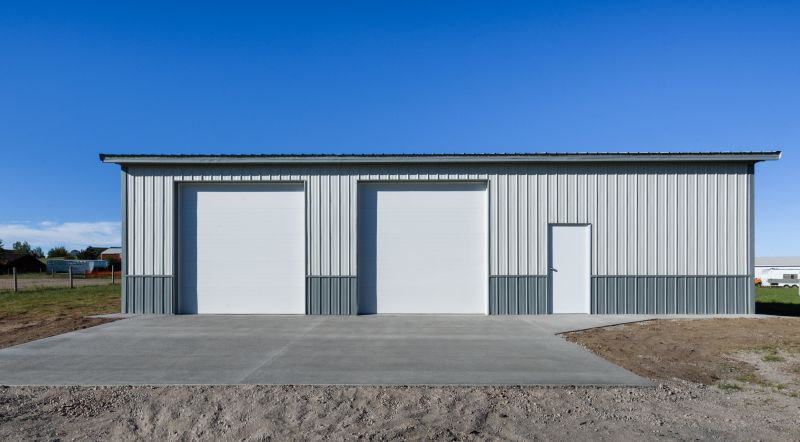
A frequent mistake in Apron Constructions and how to dodge it.

Small tweaks to make Apron Constructions safer and easier to use.
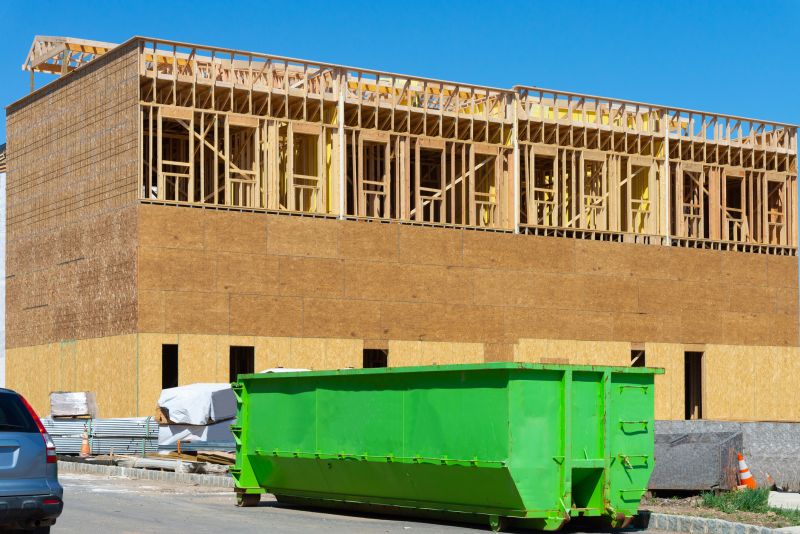
Lower-waste or water-saving choices for Apron Constructions.

The short, realistic tool list for quality Apron Constructions.

Rough timing from prep to clean-up for Apron Constructions.

Quick checks and paperwork to keep after Apron Constructions.
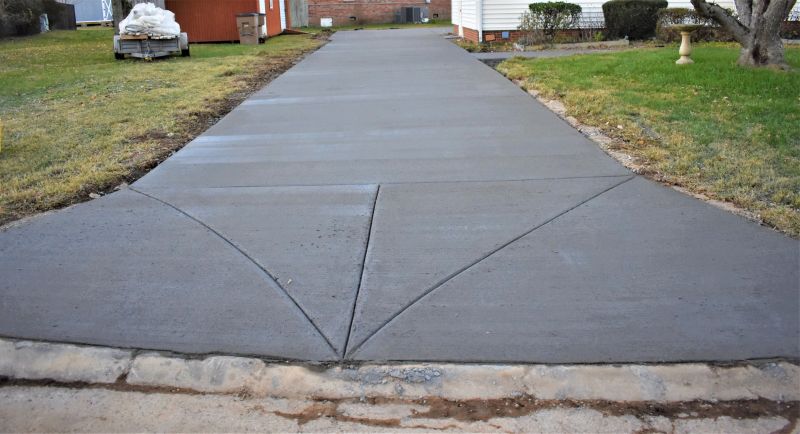
Examples that show the impact a good Apron Constructions can make.
| Season | Advantages |
|---|---|
| Spring | Optimal weather, good for curing, lower delays |
| Summer | Fast drying, ideal for concrete work |
| Autumn | Moderate temperatures, less rain |
| Winter | Potential delays, cold affects curing |
Selecting the appropriate time for apron construction can lead to improved project outcomes, including enhanced durability and reduced costs. Proper planning based on seasonal conditions and operational needs ensures the effectiveness and longevity of the apron structure.

Ways to make Apron Constructions work in tight or awkward layouts.
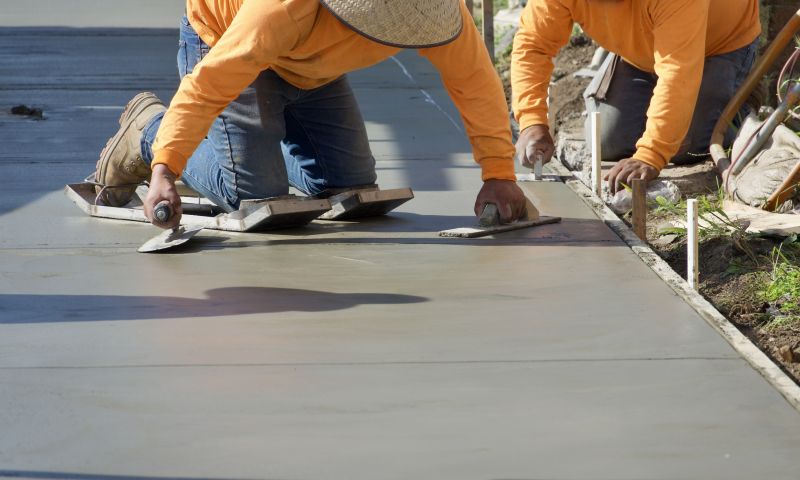
Ways to make Apron Constructions work in tight or awkward layouts.

Ways to make Apron Constructions work in tight or awkward layouts.

Ways to make Apron Constructions work in tight or awkward layouts.

Ways to make Apron Constructions work in tight or awkward layouts.
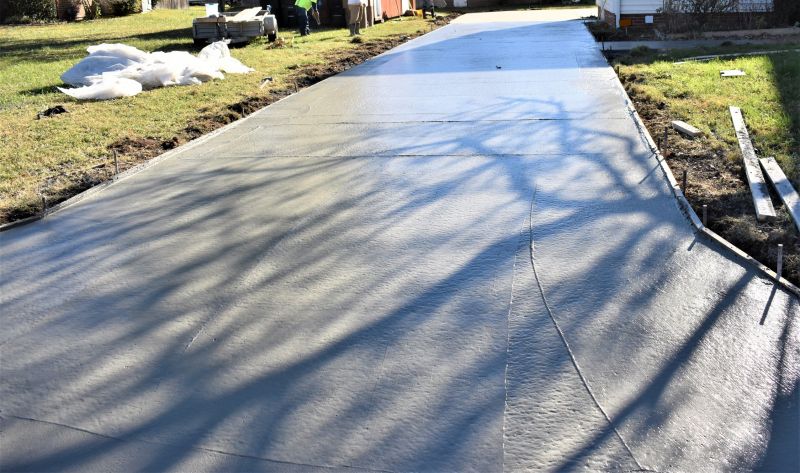
Ways to make Apron Constructions work in tight or awkward layouts.
Interested in scheduling an apron construction project? Filling out the contact form provides a direct way to discuss timing, scope, and requirements for optimal project planning and execution.