Get Poured Wall Installation
Poured wall installation services help property owners build strong, durable foundation walls for basements, retaining walls, and other structural projects.
Poured wall installation is a practical solution for property owners looking to enhance the stability and durability of their structures. Whether constructing new foundations, reinforcing existing walls, or managing landscaping needs, choosing experienced local contractors can ensure the work is completed to standard. Property owners in the area often explore these services to support projects such as basement finishing, retaining walls, or foundation repairs, making it important to compare options and find the right fit for specific needs.
Exploring your options for poured wall services involves assessing the expertise and reputation of local service providers. By connecting with trusted contractors in the community, property owners can gather information about different approaches and select professionals who are well-equipped to handle the demands of their projects. Continuing to learn about available services can help ensure that planning decisions are informed and aligned with the goals of the property.
- Residential Foundations - homeowners may need poured wall installation when constructing or reinforcing a basement or foundation.
- Commercial Buildings - businesses requiring durable foundation walls for new construction or renovations can find local contractors to handle the work.
- Retaining Walls - property owners seeking to prevent soil erosion or create level outdoor spaces might need poured walls for retaining structures.
- Basement Waterproofing - individuals looking to improve basement moisture control often require poured walls to enhance waterproofing efforts.
- Landscape Support Structures - landscapers or property managers may need poured walls to build planters, terraces, or other outdoor features.

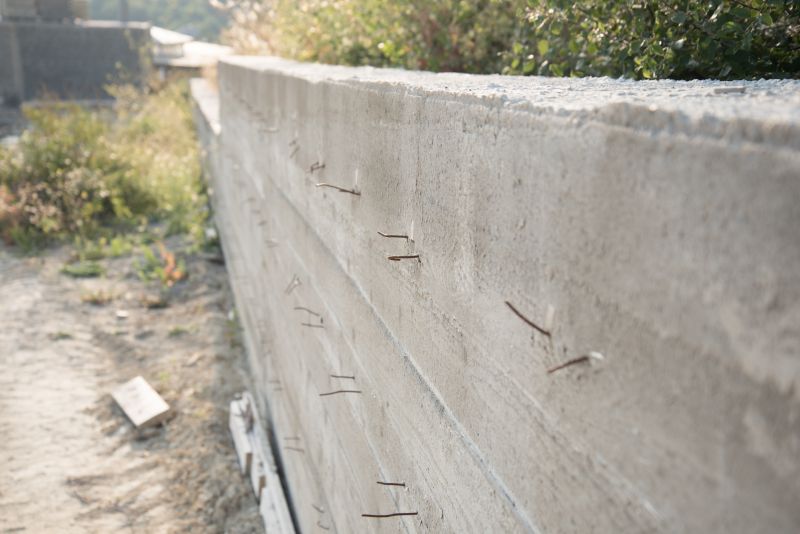
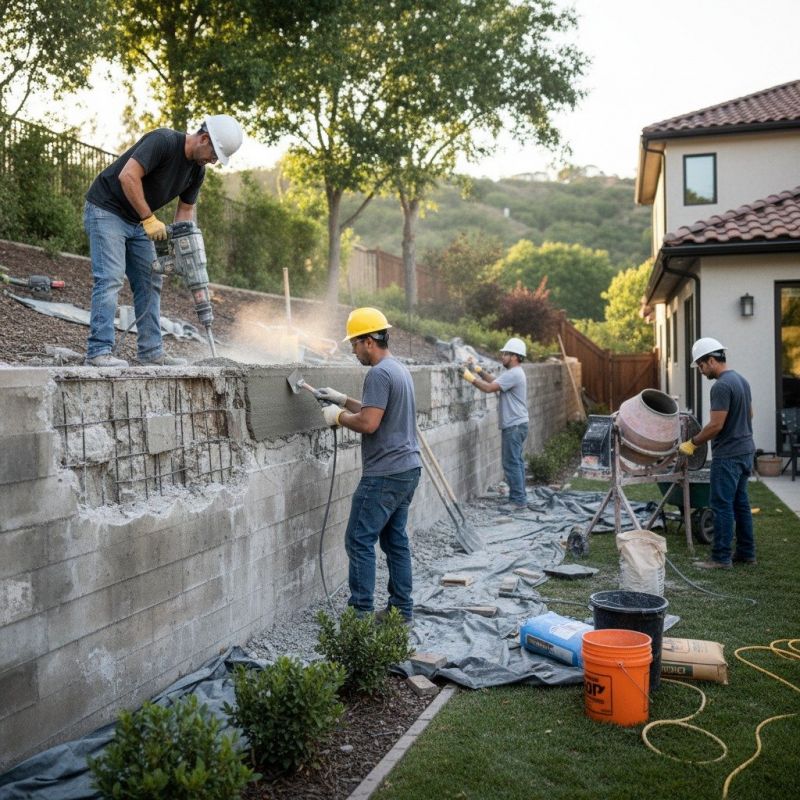
Poured wall installation involves creating sturdy, durable concrete walls that serve as foundational or retaining structures for various property types. This process typically starts with excavation and precise form-building to shape the wall according to the property's needs. Once the forms are in place, concrete is poured into them, often with reinforcement like rebar to enhance strength and longevity. After the concrete cures, the forms are removed, leaving a solid, seamless wall that provides reliable support and stability.
This service helps address several common problems faced by property owners. For instance, poured walls are effective at preventing soil erosion and managing water runoff around foundations, which can protect against basement flooding and foundation damage. They also serve as reliable retaining walls to hold back soil on sloped properties, reducing the risk of landslides or shifting land. Additionally, poured walls can be used to create basement walls or additional levels, offering structural integrity for future expansion or renovation projects.
Properties that frequently utilize poured wall installation include residential homes with basements or yards on uneven terrain, commercial buildings requiring durable foundation support, and multi-family complexes needing reliable retaining structures. These walls are especially beneficial in areas prone to heavy rainfall or shifting soil conditions, where stability is critical. Homeowners planning to finish or expand their basements often consider poured walls for their strength and long-term performance, ensuring the foundation remains solid over time.
Homeowners who notice issues such as cracks in existing basement walls, water seepage, or signs of shifting soil may need poured wall installation services. This process can also be useful when constructing new foundations or adding retaining walls to improve landscape stability. Consulting with local contractors can help determine if poured walls are the right solution for addressing foundation concerns, preventing future damage, or supporting property expansion. Connecting with experienced service providers ensures that the work is performed with proper techniques and materials tailored to specific property needs.
The overview below groups typical Poured Wall Installation projects into broad ranges so you can see how smaller, mid-sized, and larger jobs often compare in your area.
In many markets, a large share of routine jobs stays in the lower and middle ranges, while only a smaller percentage of projects moves into the highest bands when the work is more complex or site conditions are harder than average.
Smaller Repairs - Typical costs for minor poured wall repairs, such as patching or sealing cracks, generally range from $250 to $600. Many routine jobs fall within this middle range, though prices can vary based on the extent of damage and local rates.
Standard Installation - Installing new poured walls for a standard basement or foundation often costs between $4,000 and $8,000. Most projects in this category are priced within this range, with fewer reaching into higher tiers due to size or complexity.
Larger, Complex Projects - Larger or more intricate poured wall installations, such as those requiring additional reinforcement or custom features, can range from $8,000 to $15,000 or more. These projects are less common but are handled by local contractors for specialized needs.
Full Replacement - Complete foundation wall replacements typically start around $15,000 and can exceed $30,000 for extensive or high-end jobs. Many service providers handle these larger projects, which tend to fall into the higher cost brackets due to scope and materials involved.
Actual totals will depend on details like access to the work area, the scope of the project, and the materials selected, so use these as general starting points rather than exact figures.
Foundation Wall Construction - skilled contractors can handle the installation of foundation walls using similar pouring and reinforcement techniques as poured wall projects.
Retaining Wall Installation - professionals experienced in poured concrete walls often work on retaining walls that require precise planning and structural support.
Basement Wall Waterproofing - waterproofing basement walls involves understanding wall structures and materials, aligning with skills used in poured wall installation.
Concrete Footings and Slabs - installing concrete footings and slabs shares tools and planning considerations with poured wall services.
Crawl Space Encapsulation - contractors may utilize similar sealing and structural techniques when working on crawl space barriers and walls.
Structural Repair and Reinforcement - projects involving wall reinforcement or repair require expertise in concrete and formwork, related to poured wall installation skills.
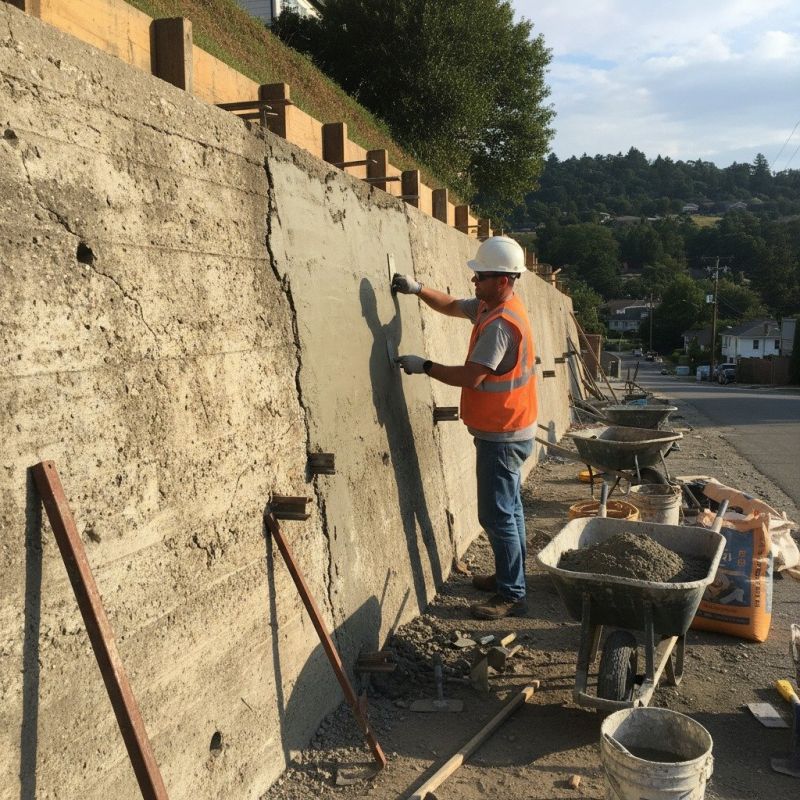
When evaluating potential contractors for poured wall installation, it’s important to consider their experience with similar projects. Homeowners should look for service providers who have a proven track record of completing poured wall work comparable in scope and complexity to the project at hand. Asking about the number of years in business or specific types of projects completed can help gauge a contractor’s familiarity with the nuances of poured wall construction, ensuring they have the practical knowledge needed for a quality result.
Clear, written expectations are a key component of a successful working relationship. Homeowners should seek service providers who can provide detailed, written descriptions of the scope of work, materials to be used, and any relevant project milestones or deliverables. Having these expectations documented helps prevent misunderstandings and provides a reference point throughout the project, fostering transparency and accountability between the homeowner and the contractor.
Reputable references and effective communication are essential when choosing a poured wall installer. Homeowners are encouraged to ask service providers for references from previous clients who had similar projects completed. Contacting these references can provide insights into the contractor’s reliability, workmanship, and professionalism. Additionally, good communication-such as prompt responses to questions and clarity in explanations-can make the project process smoother and more predictable. It’s important to remember that the site introduces homeowners to local contractors who are capable of handling the work, rather than performing the work directly.
Property owners use Poured Wall Installation services for practical projects around their homes and businesses. This guide focuses on everyday jobs and straightforward project options.

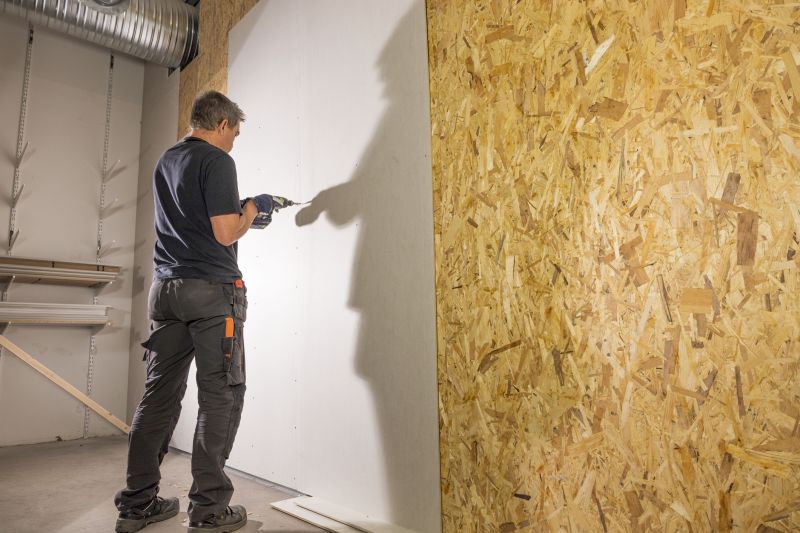
Poured wall installation is a common solution for property owners dealing with foundation repairs, basement finishing, or retaining wall needs. Local contractors are often called upon when homeowners notice cracks in their basement walls, water leaks, or shifting soil that requires stabilization. These projects are essential for maintaining the structural integrity of a property and preventing further damage, making the expertise of experienced service providers a valuable resource for residents facing these everyday issues.
Additionally, property owners might seek poured wall services when constructing new foundations or expanding existing structures. Whether for residential or commercial properties, local contractors can help ensure walls are built to withstand the local climate and soil conditions. By connecting with qualified service providers, property owners can find solutions that support the stability and longevity of their properties, addressing common needs that arise in the course of property maintenance and development.
What are poured wall installation services? Poured wall installation involves creating strong, durable concrete walls often used for foundations, basements, or retaining structures. Local contractors can handle the entire process from excavation to finishing.
How do poured walls differ from block walls? Poured walls are made by pouring concrete into forms, resulting in a continuous, seamless structure. Block walls are built with individual concrete blocks stacked and mortared together, which can be more labor-intensive.
What factors influence the suitability of poured walls for a project? The type of soil, the purpose of the wall, and the structural requirements are key factors. Local service providers can assess these conditions to recommend appropriate solutions.
What preparations are needed before pouring walls? Proper site excavation, form setup, and reinforcement placement are essential. Experienced contractors can prepare the site to ensure the stability and quality of the poured walls.
How can I find local contractors for poured wall installation? Use a lead generation service to compare and connect with nearby service providers experienced in poured wall construction and installation services.
Basement Waterproofing - Poured walls can help prevent water intrusion and protect basement spaces from moisture damage. Local contractors can install durable walls that keep basements dry during heavy rains.
Garden Bed Support - Installing poured walls can create sturdy garden beds or retaining walls for landscaping projects around the property. Service providers can build walls that add structure and support to outdoor spaces.
Foundation Repair - Poured wall installation is useful for reinforcing or repairing existing foundation walls that have started to crack or shift. Local pros can assess and strengthen foundation structures for stability.
Erosion Control - Poured walls can serve as barriers to control soil erosion on sloped properties or around driveways and walkways. Contractors can design and install walls that help manage landscape stability.
If you are thinking about Poured Wall Installation for a property, this guide is meant to help you understand the work, the typical project types, and how different options might fit your plans.
When you are ready, you can use the quote form on this page to share a few details about your project. From there, local pros can review the basics and respond with options that match what you have in mind.