Get Commercial Slab Construction
Commercial slab construction services help property owners build durable concrete foundations and floors for warehouses, retail spaces, or industrial facilities by connecting them with local contractors.
If you're considering a commercial slab construction project, you're in the right place to explore your options. Property owners in the area often look into this type of work to support expanding facilities, improve functionality, or enhance the durability of their structures. Whether you're planning a new building or upgrading an existing space, understanding the local landscape of contractors can help you make informed decisions for your project.
This page provides a helpful starting point for comparing local service providers who specialize in commercial slab construction. By reviewing your options and connecting with experienced contractors in the area, you can find the right partner to bring your project plans to life. Keep reading to discover how local experts can assist with your construction needs.
- Commercial Slab Construction - needed when developing new retail centers or office buildings.
- Industrial Flooring - required for warehouses or manufacturing facilities needing durable surfaces.
- Parking Lot Slabs - essential for constructing or repaving parking areas for commercial properties.
- Foundation Slabs - necessary for establishing the base of large commercial structures.
- Retail Store Foundations - needed when building or renovating storefronts and shopping centers.
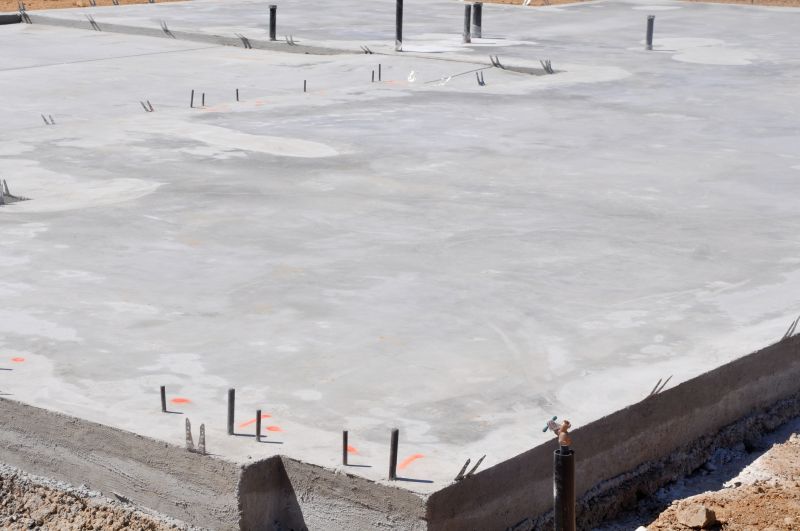
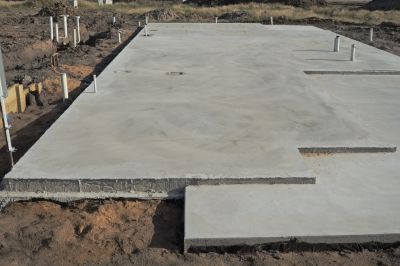
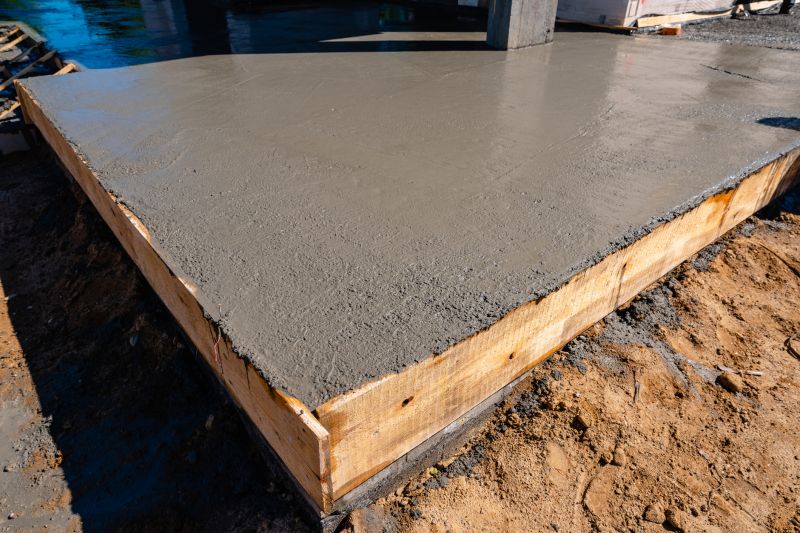
Commercial slab construction services involve creating solid, durable concrete foundations that support a variety of commercial buildings. This process typically includes site preparation, formwork, reinforcement placement, and concrete pouring to form a flat, level slab that serves as the foundation for structures like warehouses, retail stores, office buildings, and industrial facilities. Skilled contractors ensure that the slab is properly reinforced and cured to withstand heavy loads and long-term use, providing a stable base for the entire building.
These services address common issues such as uneven or weak foundations, which can lead to structural problems or costly repairs down the line. A properly constructed concrete slab helps prevent issues like cracking, shifting, or settling that may occur with poorly built foundations. Commercial slab construction also helps improve building longevity and safety by providing a solid base that can support heavy equipment, foot traffic, and other operational demands typical of commercial properties.
Properties that typically utilize commercial slab construction include large retail spaces, manufacturing plants, warehouses, and office complexes. These types of buildings often require expansive, level surfaces capable of supporting heavy machinery or high foot traffic. Additionally, parking lots and loading docks are frequently constructed using slab foundations to ensure durability and stability under constant use. Property owners and developers turn to local contractors to ensure these foundational elements are built to withstand the demands of commercial operations.
Homeowners who are planning to build or expand their property may also encounter situations where a concrete slab is necessary, especially for garages, workshops, or outbuildings. When a level, sturdy base is needed for structures that will experience frequent use or carry significant weight, commercial slab construction services become relevant. Connecting with experienced local contractors can help ensure that the foundation is correctly designed and installed to meet the specific needs of the project, providing a reliable base that supports the long-term stability of the property.
The overview below groups typical Commercial Slab Construction projects into broad ranges so you can see how smaller, mid-sized, and larger jobs often compare in your area.
In many markets, a large share of routine jobs stays in the lower and middle ranges, while only a smaller percentage of projects moves into the highest bands when the work is more complex or site conditions are harder than average.
Small Repairs - Typical costs for minor slab repairs or patching range from $250 to $600. Many routine projects fall within this range, especially for localized fixes or surface repairs. Larger, more complex repairs can cost more depending on scope.
Moderate Projects - Mid-sized commercial slab construction, such as new concrete pads or partial replacements, generally costs between $1,500 and $4,000. Most projects in this category are straightforward and fall within this range, with some exceeding it for added complexity.
Full Replacement - Complete slab replacements for larger commercial areas often range from $5,000 to $15,000 or more. These projects tend to be on the higher end, especially when dealing with extensive demolition and prep work.
Large or Complex Builds - Larger, more intricate slab construction projects can reach $20,000 or higher, depending on size, design, and site conditions. Fewer projects fall into this highest tier, but local contractors can provide specific estimates based on project details.
Actual totals will depend on details like access to the work area, the scope of the project, and the materials selected, so use these as general starting points rather than exact figures.
Foundation Pouring - Local contractors skilled in concrete pouring and formwork are essential for laying strong foundations for various structures, similar to commercial slabs.
Parking Lot Construction - This project involves large-scale concrete work, planning, and precise execution comparable to commercial slab installation.
Industrial Flooring - Installing durable, level concrete floors in industrial settings requires expertise in slab preparation and finishing, akin to commercial projects.
Sidewalk and Walkway Construction - Building concrete walkways involves similar planning, formwork, and finishing skills used in commercial slab work.
Retaining Wall Construction - Erecting concrete retaining walls requires structural planning and concrete skills comparable to those used in commercial slab projects.
Concrete Repair and Resurfacing - Repairing or resurfacing existing concrete surfaces involves similar techniques and planning as new commercial slab construction.
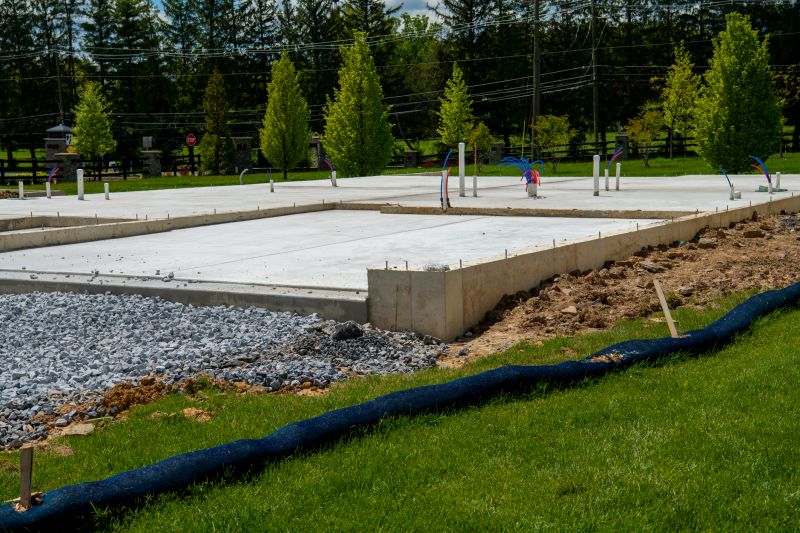
When evaluating service providers for commercial slab construction, it’s important to consider their experience with similar projects. Homeowners should inquire about the types of commercial slabs the contractors have completed in the past, paying attention to the size, complexity, and specific requirements of those projects. A contractor’s familiarity with the scope of work similar to the current project can indicate their ability to handle unique challenges and deliver quality results. Reviewing their portfolio or asking for examples of completed work can provide insight into their expertise and reliability in managing commercial slab construction.
Clear, written expectations are essential for ensuring that both parties have a shared understanding of the project scope and deliverables. Homeowners should seek service providers who can provide detailed proposals or contracts that outline the work to be performed, materials to be used, and any other relevant terms. Having this information in writing helps prevent misunderstandings and sets a solid foundation for the project. It also allows homeowners to compare proposals easily and identify which contractors are transparent and thorough in their communication.
Good communication and reputable references are key factors when choosing local contractors. Homeowners should look for service providers who are responsive, willing to answer questions, and provide straightforward information. Additionally, requesting references from previous clients can offer valuable insights into the contractor’s professionalism, punctuality, and quality of work. While the site introduces homeowners to local options, it’s important to remember that the selection process involves evaluating these qualities to find a contractor who can meet project needs effectively and reliably.
Property owners use Commercial Slab Construction services for practical projects around their homes and businesses. This guide focuses on everyday jobs and straightforward project options.
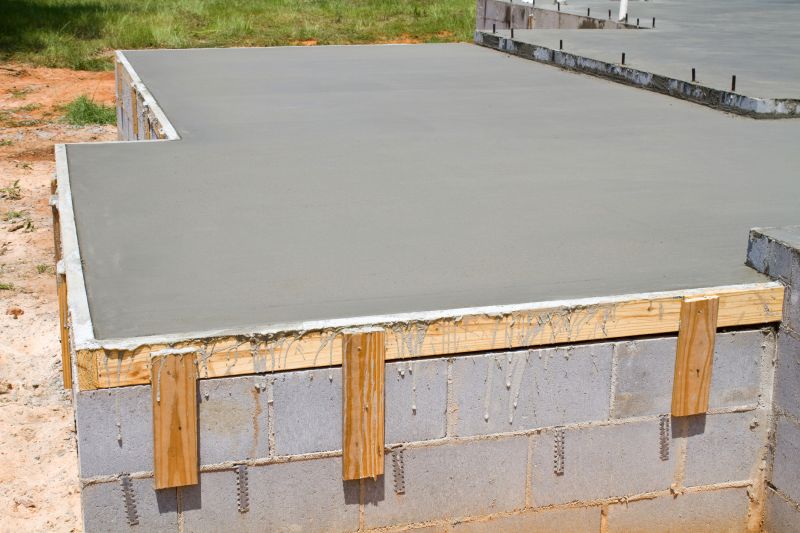
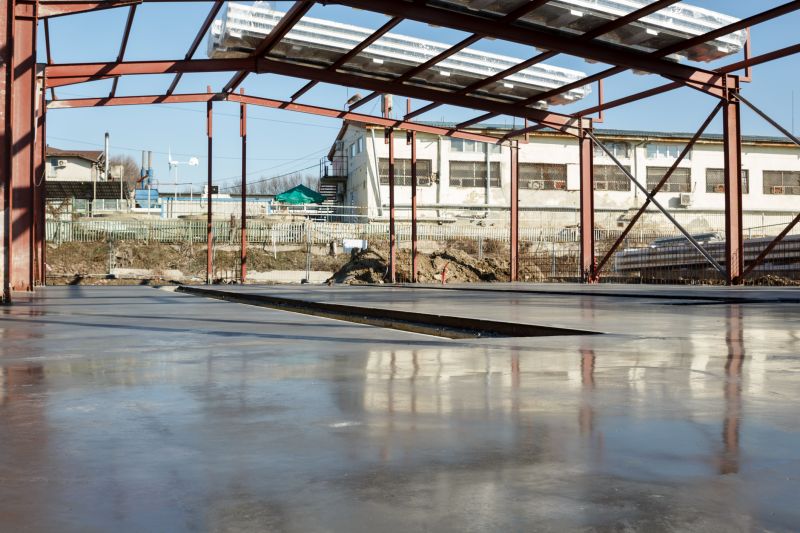
Commercial slab construction services are often needed when property owners are preparing new spaces for business operations or upgrading existing facilities. Whether establishing a foundation for a warehouse, retail store, or office building, local contractors can provide the expertise to ensure the slab is properly poured and finished to support the structure’s needs. Property owners might seek these services during new development projects or when making significant renovations to improve the functionality and durability of their commercial spaces.
In many cases, property owners look for slab construction work to address issues like uneven surfaces, cracks, or settling in existing slabs that can impact safety and usability. Local service providers can assist with repairs or replacements to restore a stable foundation. Additionally, those planning to add features like loading docks, parking areas, or outdoor storage may need professional slab work to meet their operational requirements efficiently. Connecting with experienced local contractors ensures the job is handled properly to support the property’s long-term use.
What types of commercial slabs do local contractors typically construct? Local contractors often build various types of commercial slabs, including poured concrete slabs for warehouses, retail spaces, and office buildings, tailored to the specific needs of each project.
How do local service providers ensure the quality of commercial slab construction? Many local contractors follow industry standards and best practices to ensure durable and reliable slabs suitable for commercial use.
Can local pros handle custom specifications for commercial slab projects? Yes, local service providers are experienced in accommodating custom requirements, such as specific thicknesses, reinforcements, or finishes needed for different commercial applications.
What preparations are typically needed before a commercial slab is poured? Preparation usually involves site clearing, form setting, and subgrade compaction, which local contractors coordinate to ensure a solid foundation for the slab.
How do local contractors typically approach the finishing process for commercial slabs? Finishing involves smoothing, leveling, and sometimes applying surface treatments, with local pros customizing the finish based on the intended use of the slab.
Commercial Slab Construction - Property owners planning new retail or office spaces can find local contractors to create durable, level foundations.
Industrial Facility Foundations - Businesses building warehouses or manufacturing plants can use this service for strong, reliable slabs to support heavy equipment.
Parking Lot Slabs - Developers and property managers can connect with local pros to install or repair concrete slabs for parking areas.
Extension and Renovation Projects - Property owners expanding existing structures or adding new sections can rely on local contractors for solid, stable slabs.
If you are thinking about Commercial Slab Construction for a property, this guide is meant to help you understand the work, the typical project types, and how different options might fit your plans.
When you are ready, you can use the quote form on this page to share a few details about your project. From there, local pros can review the basics and respond with options that match what you have in mind.